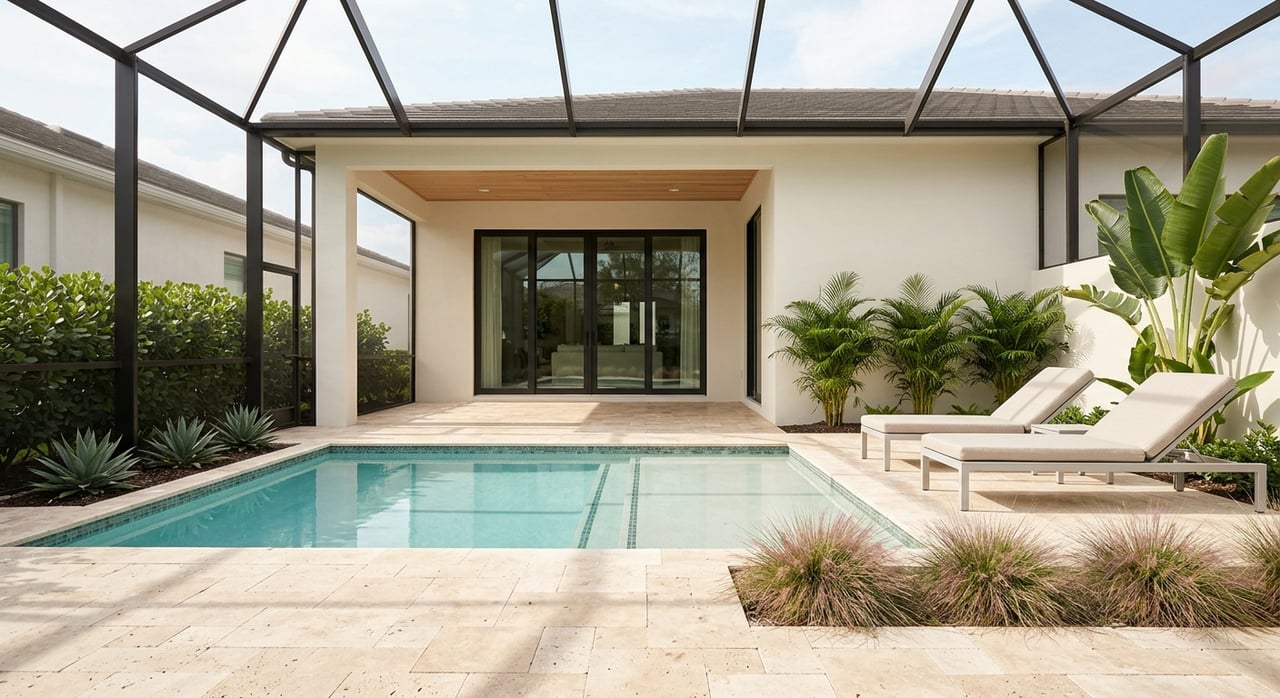
Planning to add a lanai, install impact windows, or build a private dock in Naples? Choosing how to pay for it can be just as important as picking the right contractor. You want funds when you need them, predictable payments, and a product that fits coastal permitting and insurance realities. In this guide, you’ll compare HELOCs, cash‑out refinances, and renovation loans with a Naples lens so you can fund improvements with fewer surprises and better long‑term value. Let’s dive in.
How to choose your funding in Naples
Start with the basics and map the project to your financing needs:
- Amount and timing. How much do you need and when will you need it, all at once or in phases?
- Payment style. Do you want a fixed monthly payment or flexible draws with a variable rate?
- Equity and LTV. How much equity do you have and what combined loan‑to‑value will a lender allow?
- Permits and complexity. Will Collier County permits, HOA rules, or flood and shoreline reviews add time and cost?
- Insurance impact. Will upgrades like impact windows reduce wind premiums enough to matter?
- Rate risk. Are you comfortable with a variable HELOC rate or do you want the certainty of a fixed mortgage?
HELOC: flexible, faster access
A HELOC is a revolving line of credit secured by your home, typically in second position, with a variable rate tied to an index plus a margin. During the draw period you can pull funds as needed and many lenders allow interest‑only payments. For a plain‑English overview of how HELOCs work and what to watch, see the Consumer Financial Protection Bureau’s HELOC guide.
Pros for Naples projects
- Useful for phased work and multiple contractor draws, like splitting impact window installation into stages.
- Often faster to close than a full refinance, with lower upfront costs.
- Lets you keep a low‑rate first mortgage intact.
Cons to weigh
- Variable rates create payment risk if interest rates rise.
- For a large single project, total interest can be higher than a fixed first‑lien mortgage.
- Some lenders cap combined LTV around 80 percent and may charge annual or early termination fees.
Best fit
- Smaller to medium projects, phased timelines, or when preserving a very low first‑mortgage rate matters.
Cash‑out refinance: one fixed payment
A cash‑out refinance replaces your current first mortgage with a larger one and gives you the difference in cash. Closing costs are higher than a HELOC, but you get a fixed rate on the full amount. The CFPB’s refinance overview explains key terms and trade‑offs.
Pros for Naples projects
- Fixed rate that removes variable‑rate risk.
- Can be cheaper over time for large projects because first‑lien mortgage rates are often lower than HELOC rates.
- One monthly payment simplifies budgeting.
Cons to weigh
- Upfront costs are typically higher, and you reset the mortgage term unless you prepay on your own schedule.
- Conforming programs commonly limit loan‑to‑value for owner‑occupied homes to about 80 percent. Jumbo loans may have stricter limits.
Best fit
- Whole‑house impact windows, a full lanai or sunroom addition, or a dock and possible seawall work when you want a fixed payment and have sufficient equity.
Renovation mortgages: finance the work inside the loan
Renovation loans wrap improvement costs into a mortgage. Common options include FHA 203(k), Fannie Mae HomeStyle Renovation, and Freddie Mac CHOICERenovation.
- FHA 203(k): Government‑insured loan with limited and standard versions. Learn more from HUD’s 203(k) program page.
- Fannie Mae HomeStyle: Conventional loan that finances many project types with funds held in escrow and released in draws. See the HomeStyle Renovation overview.
- Freddie Mac CHOICERenovation: Similar to HomeStyle, also financing a wide range of improvements. Explore CHOICERenovation.
Pros for Naples projects
- Single‑close structure with a fixed mortgage rate on the renovation amount.
- Supports structural additions and complex jobs that require detailed oversight, inspections, and draw schedules.
- Uses an after‑improved appraisal, which can help when value will increase after the project.
Cons to weigh
- More paperwork, contractor documentation, and a longer closing timeline.
- Not every lender offers every program. Requirements on contractor licensing, draws, and completion timelines are stricter.
Best fit
- Planned structural additions and value‑add projects where you want to finance both the mortgage and renovation together.
Naples factors that change the math
Permits and code compliance
Collier County requires permits for impact windows and doors, lanais and sunrooms, docks, and most structural work. That process adds time for reviews, plans, and inspections. Start with the Collier County Building Division to confirm submittal needs and timelines. Many lenders also require that licensed contractors pull the permits and that your bids include code‑compliant materials and install details.
Flood zones, docks, and shoreline work
If your home is in a Special Flood Hazard Area, lenders can require flood insurance, and elevation or mitigation rules may apply. Check your status at FEMA’s Flood Map Service Center. Building or modifying a dock often requires multiple approvals and can extend timelines. Expect local review plus potential state and federal permits through the Florida Department of Environmental Protection’s Environmental Resource Permitting program and the U.S. Army Corps of Engineers Jacksonville District’s Regulatory Permitting process.
Insurance and impact windows
Upgrading to impact‑rated windows and doors may qualify for wind mitigation credits with many Florida insurers. Credits and documentation requirements vary. The Florida Office of Insurance Regulation shares consumer guidance on windstorm mitigation. Ask your carrier for a written estimate of potential premium changes before you pick a financing product.
HOA and condo approvals
Naples has many HOA and condo communities. Exterior changes, docks, and additions often require association approval. If you plan to use a conventional renovation loan, be aware that condominium project eligibility can affect your financing options.
Costs, timing, and documentation
Typical timelines
- HELOC: often a few weeks to 1 to 2 months, faster if no appraisal is required. Funds are available to draw right after closing.
- Cash‑out refinance: commonly 30 to 45 days depending on appraisal and underwriting.
- Renovation loans: often 45 to 90 days to close due to contractor bids, an after‑improved appraisal, and escrow setup, then draws during construction.
Permitting and construction can add several weeks to months, especially for docks or structural additions.
Closing costs and fees
- Cash‑out refinance: typically 2 to 5 percent of the loan amount, plus prepaid items.
- HELOC: usually lower upfront costs; you may see appraisal, annual, or early closure fees depending on lender.
- Renovation loans: standard mortgage fees plus renovation escrow administration, renovation appraisal, and draw inspection fees.
Underwriting basics
Every option requires income and credit verification and a valuation. Renovation loans also require detailed contractor bids, scope of work, permits, licensing and insurance proof, and draw procedures such as lien waivers.
Equity expectations
Conforming cash‑out programs commonly cap loan‑to‑value around 80 percent for owner‑occupied single‑family homes. Many HELOCs limit combined LTV to about 80 percent, depending on lender and credit. Renovation loans consider after‑improved value for LTV calculations and have program‑specific limits.
Which option fits your project?
Scenario A: Whole‑house impact windows
If you have solid equity and want flexibility, a HELOC can work well, especially if you will install in phases. If you prefer a fixed payment and the project is substantial, a cash‑out refinance may be cheaper over time. Ask your insurer for a written wind mitigation credit estimate to factor expected savings into your choice.
Scenario B: Lanai or sunroom addition
Structural additions with engineered plans and inspections are often a good fit for HomeStyle, CHOICERenovation, or FHA 203(k). These products fund through a controlled draw schedule and use after‑improved value. If you want simplicity and have ample equity, a cash‑out refinance is also a practical path.
Scenario C: Private dock and possible seawall work
Docks can require approvals from multiple agencies, and seawalls may need repair or replacement first. Because timelines are longer and costs can change, many owners prefer a fixed‑rate cash‑out refinance or a construction‑to‑permanent style renovation loan with contingency reserves. A HELOC can work if permits are in hand and you want phased access, but expect the lender to review environmental documentation.
Decision checklist
Use this quick list before you apply:
- Get detailed contractor bids that include permit costs, code items, and a realistic timeline.
- Pull your current mortgage rate and balance and estimate your equity and target CLTV.
- Check your FEMA flood zone and your current flood insurance policy.
- Confirm HOA or condo approvals and any design rules.
- Ask your insurer for impact window or mitigation credit estimates.
- Compare lender prequalifications for HELOC, cash‑out, and renovation loans, including APRs, fees, draw terms, and timelines.
Next steps
- Define your scope and sequencing. Decide whether you need one lump sum or staged draws. 2) Confirm permit needs and lead times with Collier County. 3) Request written insurance credit estimates for mitigation upgrades. 4) Price loans side by side, including total cost over the period you plan to own the home. 5) Choose the product that best matches your timeline, equity, and rate preference.
If you want a local game plan to fund and stage your Naples renovation with fewer surprises, reach out to Unknown Company to Request a free home valuation and a tailored next‑step checklist.
FAQs
What is better for impact windows in Naples, a HELOC or a cash‑out refinance?
- If you want flexibility for phased installation and you have strong equity, a HELOC can fit; for a large, single project and fixed payments, a cash‑out refinance may be cheaper over time.
How do Collier County permits affect renovation timelines and financing?
- Permit reviews and inspections add weeks to months and can influence which loan you choose; start with the Collier County Building Division to plan timing and required documents.
Do I need flood insurance to finance a Naples renovation?
- If your home is in a Special Flood Hazard Area, lenders commonly require flood insurance; check your status on FEMA’s Flood Map Service Center before you apply.
Can I use a renovation loan to build a private dock in Collier County?
- Some renovation products finance structural work, but docks often trigger Florida DEP and U.S. Army Corps permitting, which can require extra documentation and contingencies.
How much equity do I need for a HELOC or cash‑out refinance in Naples?
- Many lenders target a combined LTV near 80 percent for HELOCs and cash‑out refis, with exact limits depending on credit, loan size, and program.
How long does it take to access funds for each option?
- HELOCs often fund in weeks, cash‑out refinances commonly take 30 to 45 days, and renovation loans typically take 45 to 90 days to close before draws begin.