Living Near Downtown Naples: A Guide to the Lifestyle
February 19, 2026
February 19, 2026
If you love the idea of walking to dinner, catching a sunset at the Pier, and browsing galleries on a Saturday, living near downtown Naples might be your sweet spot. You want convenience and culture without giving up privacy or beach access. In this guide, you’ll learn how daily life feels around Olde Naples, what housing options look like, how seasonality and parking work, and what to check before you buy. Let’s dive in.
Fifth Avenue South is the heartbeat of downtown, with boutiques, galleries, cafes, and restaurants set on a compact, pedestrian-friendly spine. A few blocks west, you reach the public beach and the Naples Pier for easy sunsets and morning walks. Third Street South adds another layer of shops and dining, and nearby Cambier Park often hosts concerts, art fairs, and community events. For a quick snapshot of streets, garages, and event transit tips, see the Fifth Avenue South merchants’ guidance on parking and shuttles.
You can expect short, simple walks for most downtown errands and evenings out. A Walk Score snapshot for central Olde Naples shows a mid-walkable grid, where many addresses are a 2 to 12 minute walk to dining, shops, or the beach. Keep in mind that summer heat and time of day affect comfort, and walkability drops once you move beyond the immediate grid. During peak season evenings, a short walk can beat a longer hunt for a parking space.
If you need to go farther, rideshare and taxis are common, and Collier Area Transit provides local bus service with seasonal schedule changes. Service exists in and near downtown, but frequency is lower than big-city systems, so check maps and times before you plan a trip. Find details here: Collier Area Transit maps and schedules.
The Naples Pier and nearby beach access points are a major draw. Lowdermilk Park is another popular spot for beach days with facilities that make quick trips easy. Many residents keep a “beach bag” ready by the door for spontaneous sunset walks or coffee at the sand. Some lots are metered or permit-based, so review an overview of city beach parking and permits before you go.
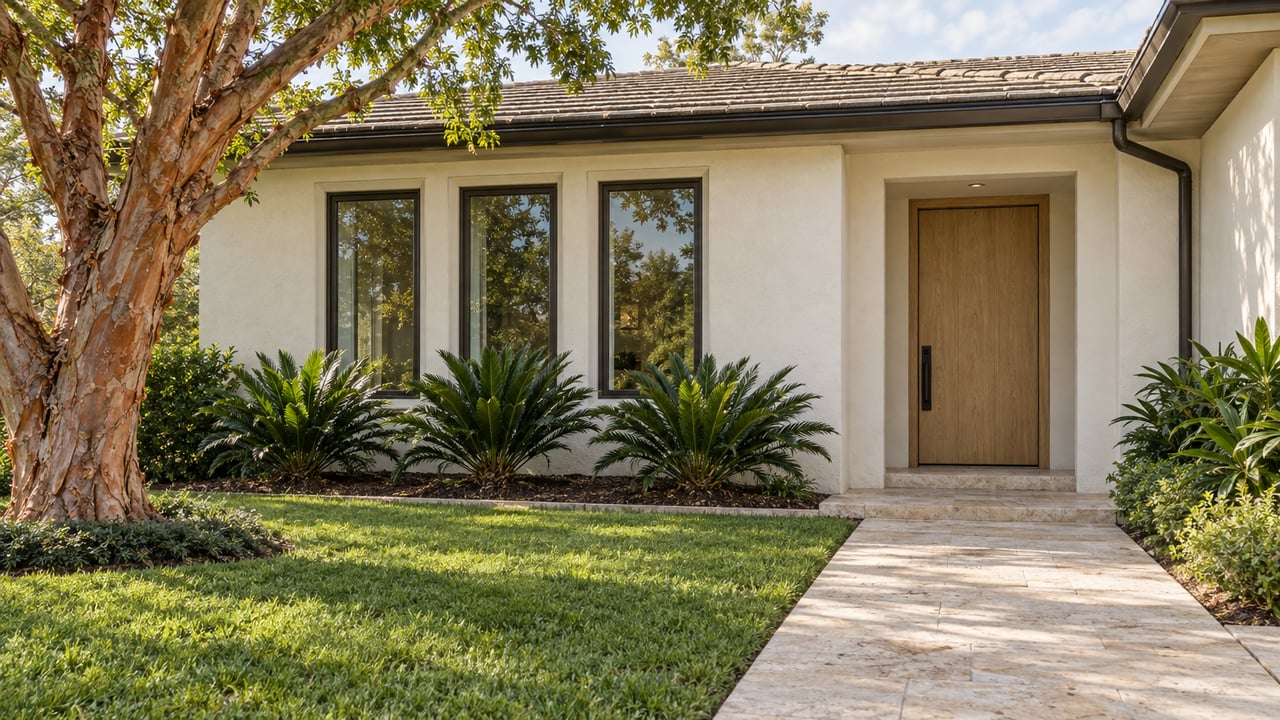
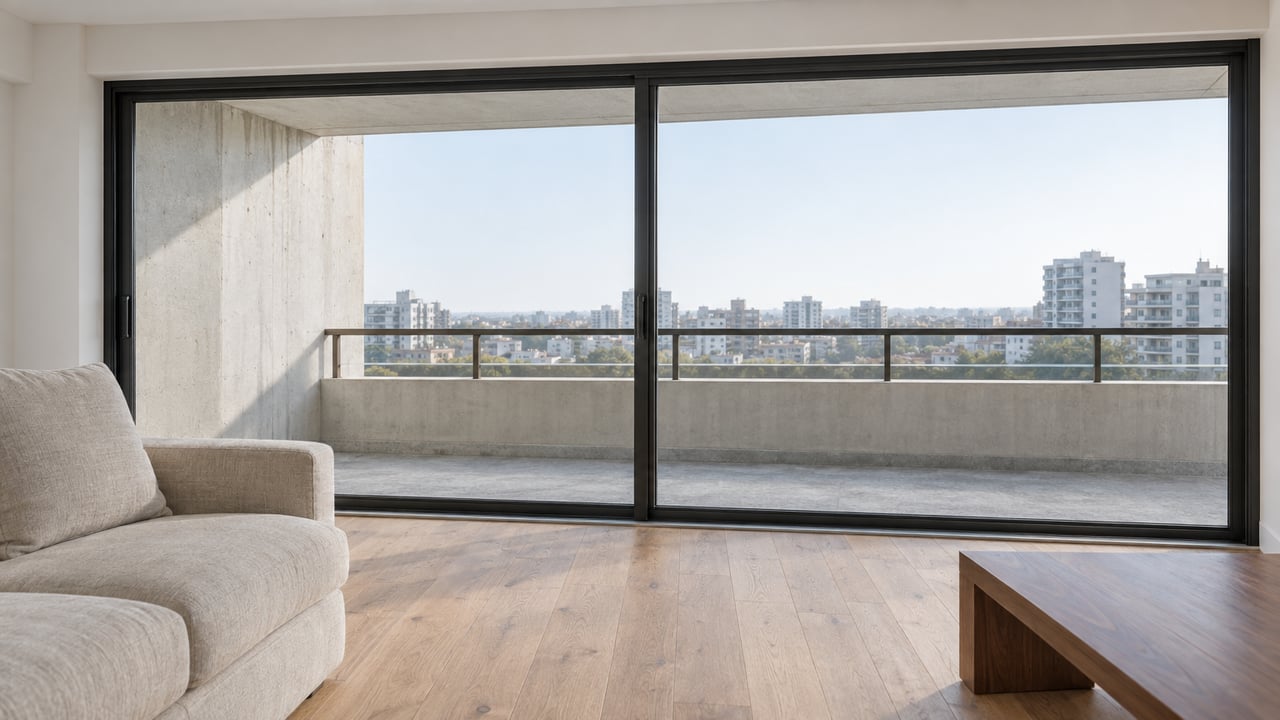
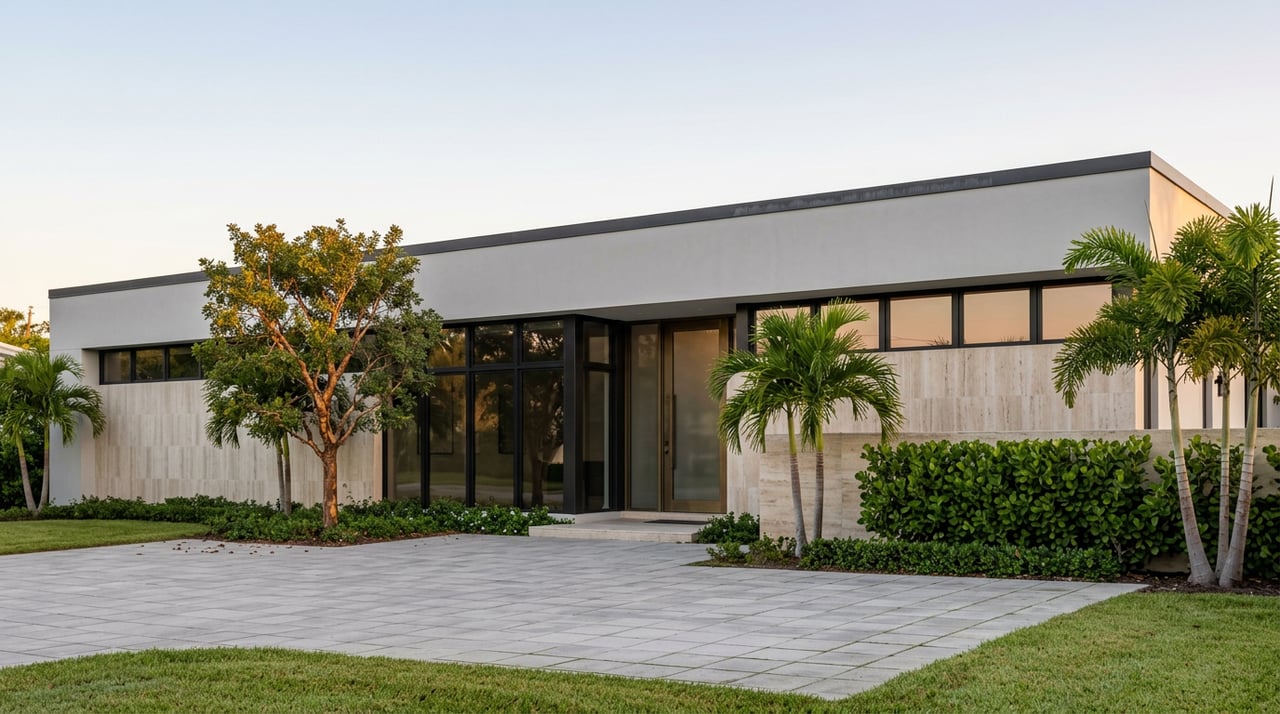
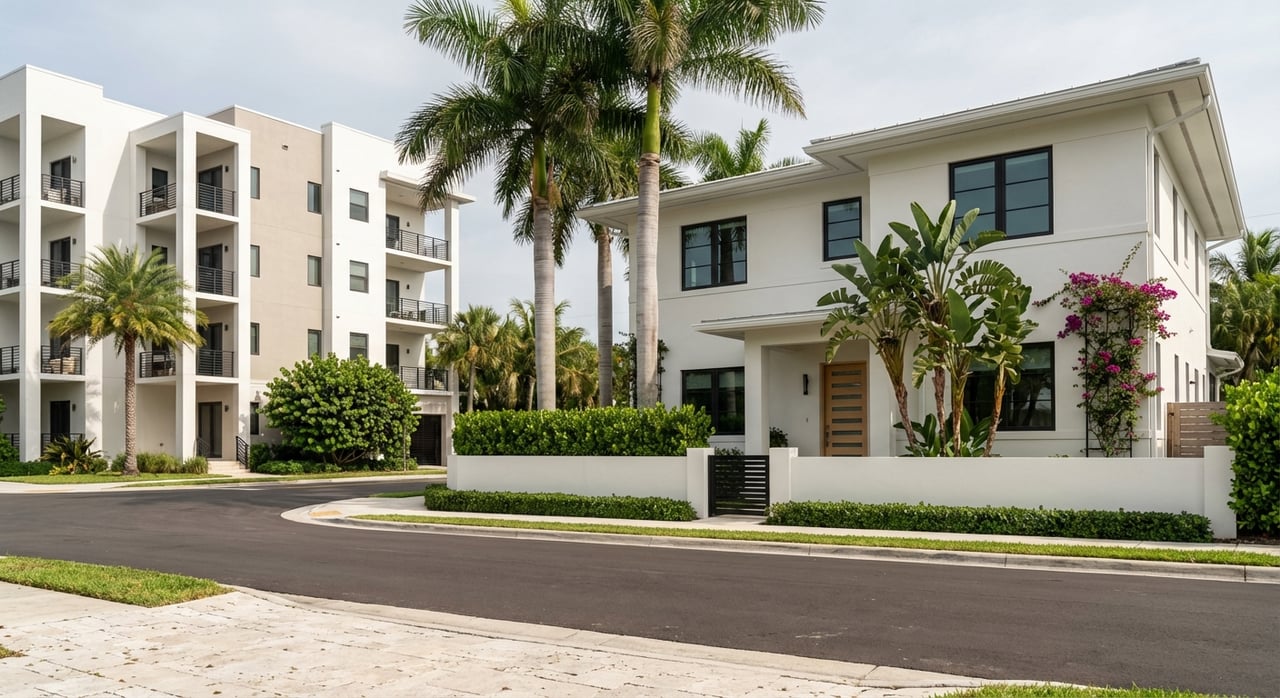
Within a few blocks of Fifth Avenue, you’ll see a mix of small single-family homes, historic cottages, and low- to mid-rise condominiums. Older condo buildings can have tighter guest parking or stair-only access, while many newer buildings add garages and elevators. Single-family homes in these blocks offer privacy and charm with easy walks to dinner and the beach. Each property has its own rules and amenities, so verify details that matter for your lifestyle.
If you want boating or private waterfront, Aqualane Shores and Port Royal sit just south and west of the core. North of downtown, Moorings and Park Shore offer bay and beach access with a range of condo and single-family options. These neighborhoods balance access to the core with private amenities and water exposure. Your choice comes down to daily priorities: instant walkability, boating, or a quieter residential pocket within a quick drive.
Before you fall in love with a place, confirm the essentials that shape daily life and carrying costs:
Winter is high season, which brings fuller restaurant patios, more art shows, and busier sidewalks. Parking is plentiful in the off-season but can feel tight during festival weekends and peak dining times. Fifth Avenue has a lively evening scene, while side streets feel quieter but can still pick up foot traffic and parked cars during events. If you are noise sensitive, preview a few evenings and a Sunday afternoon to understand the rhythm.
Want a taste of the broader cultural scene? Artis-Naples, home to The Baker Museum, is a short drive from the core and anchors major performing and visual arts for the region. Check the museum here: The Baker Museum at Artis-Naples.
Hurricane season runs from June 1 through November 30, so plan for basic preparedness and ask about features like impact windows, elevation, and generators. For official timing and guidance, see NOAA’s hurricane season overview. Flood exposure can vary block by block, and being closer to the beach can affect insurance requirements. Review county resources and recent maps through Collier County’s permitting portal and verify flood zone and insurance with your lender and insurer for a specific address.
Short-term rental regulations differ between the City of Naples and unincorporated Collier County. If you are considering rental income, read county guidance and register as required. Also review local ordinance summaries to understand city limitations and current policy discussions.
Naples is a premium, seasonal market, and inventory can shift with the calendar. When you want the latest median prices and days on market for Collier County and downtown-adjacent zip codes, rely on NABOR’s monthly market statistics. Use this data to time your search, compare property types, and understand how seasonality affects negotiations.
Ready to explore homes near Fifth Avenue or a waterfront enclave minutes from downtown? For tailored guidance, private showings, and a strategy that fits your lifestyle, connect with Jessica Stencel.
Stay up to date on the latest real estate trends.