Ready to wake up to water views and weekend boat rides? Buying lakefront in West Bloomfield can deliver that lifestyle, but it also adds rules, seasons, and responsibilities you do not see with standard homes. If you understand the shoreline, permits, insurance, and seasonal logistics upfront, you will set yourself up for a smooth purchase and an easy first year on the water. This guide gives you a clear roadmap tailored to West Bloomfield’s inland lakes, so you can buy with confidence. Let’s dive in.
Why West Bloomfield lakefront
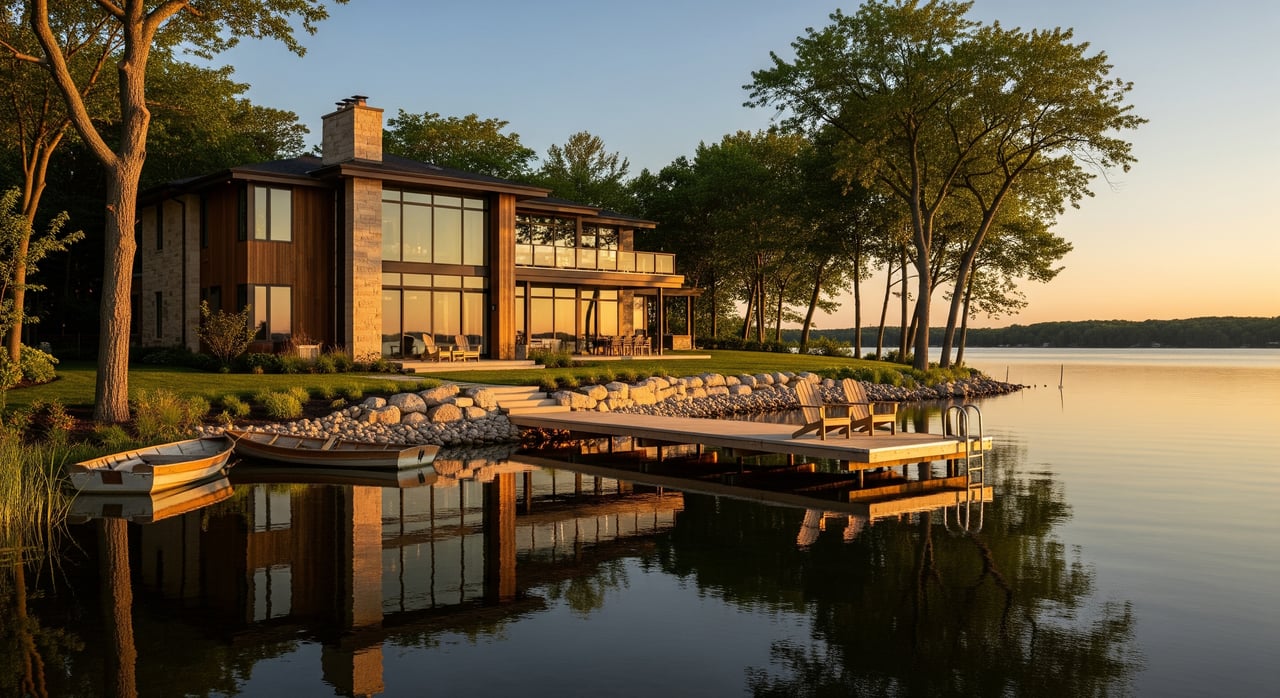
West Bloomfield Township offers a mix of inland lakes, from larger, deep-water options like Cass Lake to smaller, quieter lakes tucked behind mature shoreline vegetation. You will find everything from properties with private docks to homes that share association access. The right fit depends on how you plan to use the water, your maintenance comfort, and what rules apply to a specific lake.
Typical motivations include boating, swimming, views, privacy, and long-term value. The tradeoffs: more maintenance, higher operating costs, added liability, and extra rules compared to non-waterfront homes. A little preparation goes a long way.
Public vs. private lakes and associations
Not every lake offers the same access. Some lakes are public with a state-managed launch, while others are private with association rules. Confirm how the lake is classified, what the access points are, and whether a lake association governs docks, lifts, boat types, wake zones, and shoreline work.
- Ask for recorded covenants and bylaws if an association is involved.
- Verify any shared frontage, dock space, or usage rotation in writing.
- If a state public launch exists, you can review general access guidance through the Michigan Department of Natural Resources.
Shoreline types and what they mean
The shoreline you buy determines how you will use the water, the upkeep you will face, and the permits you may need if you plan changes.
Natural or vegetated
- Pros: Stabilizes banks, supports water quality, and often requires less permitting if preserved.
- Cons: May need selective clearing for swimming access.
Sandy or gradual beach
- Pros: Easy entry for swimming and play; high everyday enjoyment.
- Cons: Can erode over time and may need reinforcement or beach nourishment.
Rock, riprap, or bulkhead
- Pros: Helps protect from erosion and wave energy.
- Cons: Visible, often costly to install or maintain, and usually requires permits.
Man-made features
- Items like concrete seawalls, boardwalks, and constructed beaches often trigger more review and mitigation. Keep any past permits and contractor records handy for your due diligence.
Riparian rights, lakebed, and easements
In Michigan, waterfront owners typically hold riparian rights such as access to and use of the water. Submerged lands below the ordinary high-water mark are usually under state control. This division affects where a dock can extend and who may authorize structures in the water.
- Order a current survey that shows the ordinary high-water mark, property lines to the water, and any easements.
- Confirm shared docks, access paths, or road easements in the title work.
- Ask the seller for records of past shoreline work and related permits.
Permits and rules to confirm
Lakefront improvements often require approvals at more than one level. Start early to avoid surprises.
Township and county
- Contact West Bloomfield Township’s building and zoning offices to confirm setbacks, lot coverage, and whether docks or lifts require local permits or site plans.
- Check septic versus sewer, and ask about any special assessments.
- Review county items such as drainage easements or lake improvement districts through Oakland County’s official site.
State permits and guidance
- Work in or near the water, wetlands, or below the ordinary high-water mark often falls under the Michigan Department of Environment, Great Lakes, and Energy (EGLE). EGLE provides guidance on docks, seawalls, riprap, and any fill.
- For boat launch, public access, aquatic invasive species rules, and fishery management, consult the Michigan DNR.
Before you apply, get clarity on the structure type and footprint you want. Seasonal docks, permanent piers, or new shoreline protection each have different requirements.
Seasonal operations and winterization
Michigan winters shape how you manage docks, lifts, and boats. Ice pressure and heave can damage equipment and shorelines if you do not plan ahead.
- Dock and lift removal: Many owners remove docks and lifts in late fall and reinstall in spring. Ask the seller who services the system, what it costs, and how scheduling works.
- Boat storage: Decide between on-lift storage, on-site yard storage, or off-site indoor or outdoor options. Compare logistics and pricing.
- Spring checks: Inspect for ice damage, shifting sediment, and fastener corrosion before reinstallation.
- Home prep: Winterize irrigation and exterior plumbing, service the furnace, and monitor for ice dams. In extreme cold, be aware of sewer or septic line freeze risks.
Plan ahead in late summer or early fall to book contractors. Spring schedules fill quickly once the ice goes out.
Insurance, flood, and liability
Standard homeowners insurance does not include flood as defined by rising surface water. Flood insurance is a separate policy available through the National Flood Insurance Program and private insurers. Review the FEMA Flood Map Service Center to confirm whether your property sits in a mapped flood zone and whether a lender might require coverage. Learn the basics of NFIP through FEMA’s overview.
Even outside mapped zones, lake homes can face high-water or storm events. Many owners buy voluntary flood policies for peace of mind. Consider liability exposure from docks and water access, and discuss umbrella coverage and endorsements like sewer backup with your agent. The Insurance Information Institute offers fundamentals on homeowners and flood coverage.
Environmental and water-quality checks
West Bloomfield’s lakes can experience seasonal changes that affect use and maintenance.
Ask sellers about past blooms, invasive species, high-water events, or ice damage. If a well or septic is present, order professional inspections and water testing.
Buyer due diligence checklist
Build these items into your contract timeline and contingencies.
- Order a current survey showing property lines, easements, and the ordinary high-water mark.
- Complete a title review for riparian rights, easements, and lake association rules and bylaws.
- Request seller records for past shoreline work, docks, lifts, seawalls, and permits.
- Confirm setbacks, lot coverage, and sewer or septic status with the township.
- Verify whether the lake is public or private, and whether association rules govern docks, boat types, rentals, or shoreline changes.
- Schedule septic inspection and well water testing if applicable.
- Have a qualified marine contractor inspect docks, lifts, and shoreline condition; get estimates for any work.
- Check flood zone status on the FEMA Map Service Center and discuss flood and umbrella coverage with your insurer.
- Ask about lake history: algal blooms, invasive species, ice damage, high-water events, and any special assessments.
- Review property taxes, recent assessments, and any lake improvement district assessments with county records.
Costs and timelines to expect
- Upfront: Survey, title work, inspections, and possibly permit consultations if you plan changes.
- Seasonal: Dock removal and installation, boat storage, shoreline vegetation care, and periodic repairs.
- Long term: Insurance adjustments, tax assessments tied to waterfront value, and potential special assessments for lake improvements.
Line up contractors in late summer or early fall for off-season removal and storage. In spring, confirm installation dates early so you are ready for the first warm weekend.
How a local agent adds value
A local expert can help you target the right lakes and properties for how you want to use the water. You get help interpreting township and county records, coordinating surveys, connecting with trusted marine contractors and inspectors, and reviewing association rules that affect your lifestyle. An experienced agent also manages timing around seasonal dock work and access, which can affect closing schedules.
If you want boutique, high-touch guidance from search to closing, reach out. You will have a clear plan, the right team, and no guesswork.
Ready to explore West Bloomfield lakefront?
Buying the right lake home starts with clear facts. Understand shoreline types, confirm permits and rules, review flood and liability coverage, and plan for seasonal logistics before you write an offer. You will enjoy the lake more when you know what to expect.
If you are ready to tour West Bloomfield lake homes or want tailored advice for your goals, connect with Jessica Stencel. You will get boutique, local guidance and a smooth path to the water.
FAQs
What should I check first before buying a West Bloomfield lake home?
- Start with a current survey showing the ordinary high-water mark, confirm lake access type (public or private), and review any lake association rules and recorded easements.
Do I need a permit to add or modify a dock in Michigan?
How do I know if flood insurance is required for a lakefront home?
What are typical winter steps for docks and lifts in Oakland County?
- Many owners remove docks and lifts in late fall to avoid ice damage, then reinstall in spring; ask for service records and contractor contacts during due diligence.
How can I learn about harmful algal blooms on a specific lake?
Are there rules about boat types, wake, or speed on West Bloomfield lakes?
- Many lakes have no-wake zones or limits set by townships or lake associations; verify local and association rules and check general access guidance from the Michigan DNR.