West Bloomfield vs Nearby Suburbs: Find Your Best Fit
May 21, 2026
May 21, 2026
If you are choosing between West Bloomfield and nearby suburbs, the right answer usually comes down to one simple question: what do you want your daily life to feel like? Some buyers want lakes, trails, and detached-home neighborhoods. Others want a shorter commute, a more walkable downtown setting, or a lower entry price. This guide breaks down how West Bloomfield compares with Bloomfield Township, Birmingham, Farmington Hills, and Troy so you can narrow your search with more confidence. Let’s dive in.
West Bloomfield Township offers a distinct suburban setup in Oakland County. The township has a population of 65,888, and the mean travel time to work is 27.8 minutes.
From a housing standpoint, West Bloomfield’s master plan centers heavily on single-family detached homes. The township envisions low-density single-family lots at a 15,000-square-foot minimum and moderate-density single-family lots at a 10,000-square-foot minimum, which helps explain the area’s spacious residential pattern.
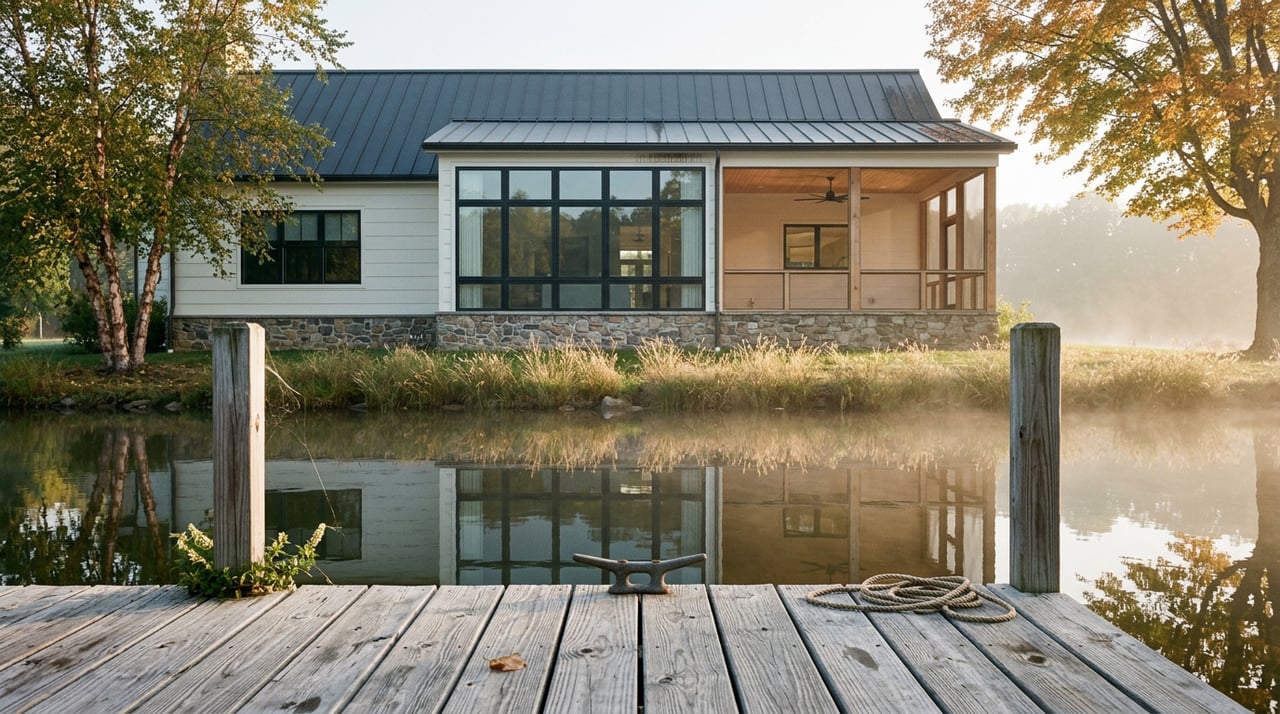
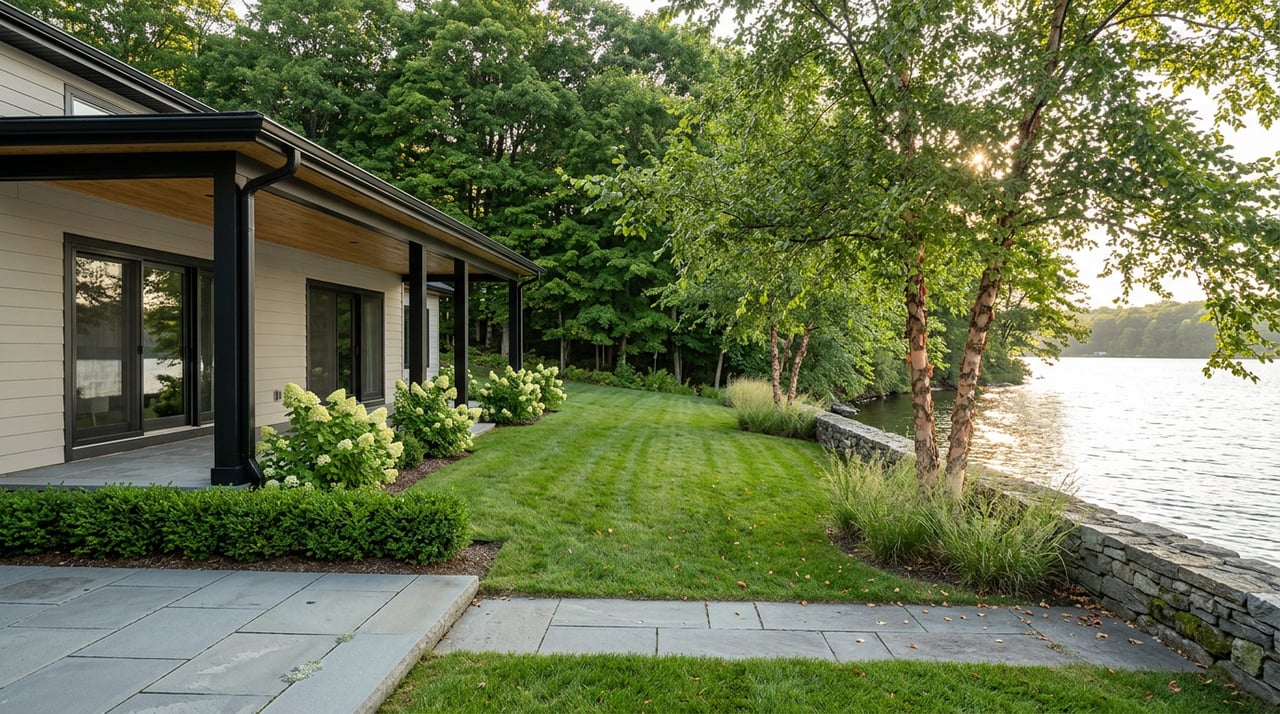
West Bloomfield also stands out for recreation. West Bloomfield Parks oversees 12 parks and facilities and nearly 600 acres of public parkland. The West Bloomfield Trail is a 6.8-mile linear park running through West Bloomfield, Orchard Lake, Keego Harbor, and Sylvan Lake, and Marshbank Park sits on Cass Lake, which West Bloomfield Parks describes as the largest lake in Oakland County.
For buyers comparing options, the current median listing price in West Bloomfield is $425,000 based on April 2026 Realtor.com data. That places it in a middle position among nearby suburbs, with some alternatives priced lower and others significantly higher.
The biggest differences between these suburbs usually show up in four areas:
Here is the quick snapshot.
| Area | Median listing price | Mean travel time to work | General pattern |
|---|---|---|---|
| West Bloomfield Township | $425,000 | 27.8 min | Detached homes, lakes, trails |
| Bloomfield Township | $775,000 | 24.1 min | Large-lot residential, estate-oriented |
| Birmingham | $1,299,900 | 20.3 min | Walkable, downtown-oriented, mixed-use |
| Farmington Hills | $359,000 | 24.5 min | Broader housing mix, parks and open space |
| Troy | $404,950 | 23.7 min | Corridor-focused, mixed-use nodes |
West Bloomfield’s strongest differentiator is its lake-and-trail identity. If you picture weekends near the water, easy access to parkland, and a setting that feels more recreation-centered, West Bloomfield has a clear advantage over many nearby options.
That does not mean other suburbs lack parks. Farmington Hills, for example, has Heritage Park with 211 acres and 4.5 miles of trails, plus Founders Sports Park at 101 acres. Still, West Bloomfield’s combination of public parkland, trail access, and lake presence gives it a more distinct outdoor lifestyle profile.
If you want a detached single-family home in a more traditional suburban layout, West Bloomfield fits that goal well. Its planning framework emphasizes that kind of housing, and the lot standards support a lower-density feel than buyers may find in more mixed-use or corridor-focused communities.
For many buyers, that creates a practical middle ground. You can get a suburban neighborhood setting with access to recreation, without stepping all the way into the much higher pricing found in some premium nearby markets.
At a median listing price of $425,000, West Bloomfield sits above Farmington Hills and slightly above Troy, but far below Bloomfield Township and Birmingham. If your budget points you away from the premium end of the market but you still want a strong suburban setting with outdoor amenities, West Bloomfield often stays on the shortlist.
This is one reason the township appeals to a wide mix of buyers. It can work for upsizers, relocators, and buyers trying to balance space, setting, and price.
Bloomfield Township is described by the township as 95% residential, with housing that ranges from estates on large lots to more affordable homes. Its official description emphasizes rolling hills and scenic lakes and streams, but the overall comparison point is more estate-oriented than West Bloomfield.
If your search centers on larger-lot prestige properties and a higher-end residential environment, Bloomfield Township may align better. The tradeoff is price, with a median listing price of $775,000.
Bloomfield Township also posts a lower mean travel time to work at 24.1 minutes, compared with West Bloomfield’s 27.8 minutes. That gap may not matter to every buyer, but if commute efficiency is part of your top-three priorities, it is worth weighing.
In short, Bloomfield Township can be the stronger match when you are comfortable with a higher price point and want a more premium residential comparison.
Birmingham is the clearest contrast to West Bloomfield. Its planning framework emphasizes preserving existing character, walkability, mixed-use activity, and historic preservation.
If your ideal lifestyle includes a more downtown-oriented environment, Birmingham offers a very different experience from West Bloomfield’s detached-home and lake-focused identity. Buyers often compare the two when deciding between suburban space and a more walkable daily routine.
Birmingham’s median listing price stands at $1,299,900, making it the most expensive option in this comparison set. That price difference alone means it serves a very different buyer profile than West Bloomfield.
Birmingham also has the shortest mean travel time to work in this group at 20.3 minutes. If shorter commutes and a walkable setting matter more to you than larger lots or lake access, Birmingham may be worth the premium.
Farmington Hills offers the lowest median listing price in this group at $359,000. For buyers focused on affordability and a broader inventory range, that makes it one of the most practical alternatives to West Bloomfield.
The city’s planning also calls for more housing diversity, alternatives to driving, and preservation of open natural spaces and parks. That broader planning direction can appeal to buyers who want flexibility in home types and access to green space.
Farmington Hills is likely the strongest inland park comparison to West Bloomfield. Heritage Park and Founders Sports Park give the city meaningful recreation infrastructure, even without the same lake-oriented identity.
Its mean travel time to work is 24.5 minutes, which is also lower than West Bloomfield’s. If you want to spend less while keeping park access and a reasonable commute, Farmington Hills deserves a close look.
Troy’s master plan focuses on compact, walkable mixed-use nodes at major intersections, with commercial, office, and high-density residential activity. That creates a more corridor- and commute-oriented environment than West Bloomfield.
For some buyers, that setup is a plus. If you want strong access to major employment areas and prefer a suburb shaped around movement, services, and mixed-use intersections, Troy may feel more efficient.
Troy’s median listing price is $404,950, which puts it fairly close to West Bloomfield’s $425,000 benchmark. That means the decision between the two often comes down less to budget and more to lifestyle.
Troy also posts a lower mean travel time to work at 23.7 minutes. If you are deciding between the two, a key question is whether you would rather prioritize lake-and-trail surroundings or a more commute-friendly, corridor-based setting.
When buyers compare West Bloomfield with nearby suburbs, it helps to focus on what will matter most after move-in day. A home can check the box on price and square footage, but the surrounding setting will shape your routine every day.
Start with these questions:
If your top priorities are detached homes, parks, trails, and lakes, West Bloomfield is often the strongest match. If your priorities lean more toward premium pricing and prestige, Bloomfield Township or Birmingham may fit better. If you care most about value and practical entry price, Farmington Hills and Troy may offer stronger options.
The suburb is only part of the decision. In practice, buyers often choose between very specific areas, commute routes, lot patterns, and district boundaries rather than choosing a city in the abstract.
That is where local guidance becomes especially valuable. Comparing micro-neighborhoods, daily drive patterns, school district boundaries, and resale potential at the street level can give you a much clearer answer than looking at citywide averages alone.
If you are weighing West Bloomfield against nearby suburbs, the goal is not just to find a home that works today. It is to choose the setting that fits how you want to live over the next several years. When you are ready to compare your options with a local, tailored strategy, Jessica Stencel can help you narrow the search with clarity.
Stay up to date on the latest real estate trends.