List a Naples Condo Step by Step With a Clear Timeline
July 9, 2026
July 9, 2026
If you want to list a Naples condo or villa at the right moment, timing matters more than many sellers expect. Between market conditions, prep work, and Florida association disclosures, a smooth launch usually starts well before the sign goes up. The good news is that with a clear plan, you can avoid last-minute surprises and bring your property to market with confidence. Let’s dive in.
For many Naples condo and villa owners, 6 to 8 weeks of pre-listing prep is a smart working timeline. That window reflects both the pace of the local market and the paperwork that often comes with association-governed properties.
In May 2026, Collier County excluding Marco Island had 5,299 active listings, 991 new listings, 1,066 pending sales, and 900 closed sales, according to NABOR. The median closed price was $599,900, and the average pace included 99 days on market, which shows that thoughtful preparation can matter just as much as speed.
NABOR also reported in June 2026 that overall inventory was down 22% year over year, the condominium median closed price was $450,000, and 61% of closed sales were cash purchases. In a market like that, buyers can move quickly, but they also tend to expect clean presentation and organized documents.
Before you plan photography, staging, or pricing, confirm whether your property is legally a condominium or a villa in a homeowners’ association. That first step matters because the disclosure rules are not the same.
For a Florida condo resale, the seller’s document package is governed by Chapter 718. For a villa in an HOA, the seller must provide the disclosure summary required by Chapter 720 before the contract is executed.
That difference can affect your timeline from day one. If you assume the paperwork is the same for both property types, you could end up chasing documents later and delaying your launch or your contract timeline.
This is the ideal time to get organized and tackle the items that can take the longest.
First, determine which association rules apply to your property. If it is a condo, you will need current copies of the declaration, articles of incorporation, bylaws and rules, annual financial statement and budget, the FAQ document, and the governance form. If applicable, the resale package may also need the milestone inspection summary, the most recent structural integrity reserve study, and the turnover inspection report.
Second, order the association estoppel early. Florida law requires the association to issue an estoppel certificate within 10 business days after a written or electronic request, and that document can reveal assessments, special assessments, transfer or resale fees, open violations, board-approval requirements, and any right of first refusal.
Timing matters here because the estoppel does not stay valid forever. For condos and HOAs, it is generally effective for 30 days if hand-delivered or emailed, or 35 days if mailed.
Third, check whether your community has older-building safety paperwork that buyers may ask to review. If your condo building is older and covered by Florida’s milestone inspection and reserve study requirements, gathering those materials early can save time later.
Fourth, make sure flood and lead disclosures are on your radar before contract stage. Florida requires a flood disclosure for residential real property at or before contract execution, and federal lead disclosure rules apply to most pre-1978 housing, including many condominiums.
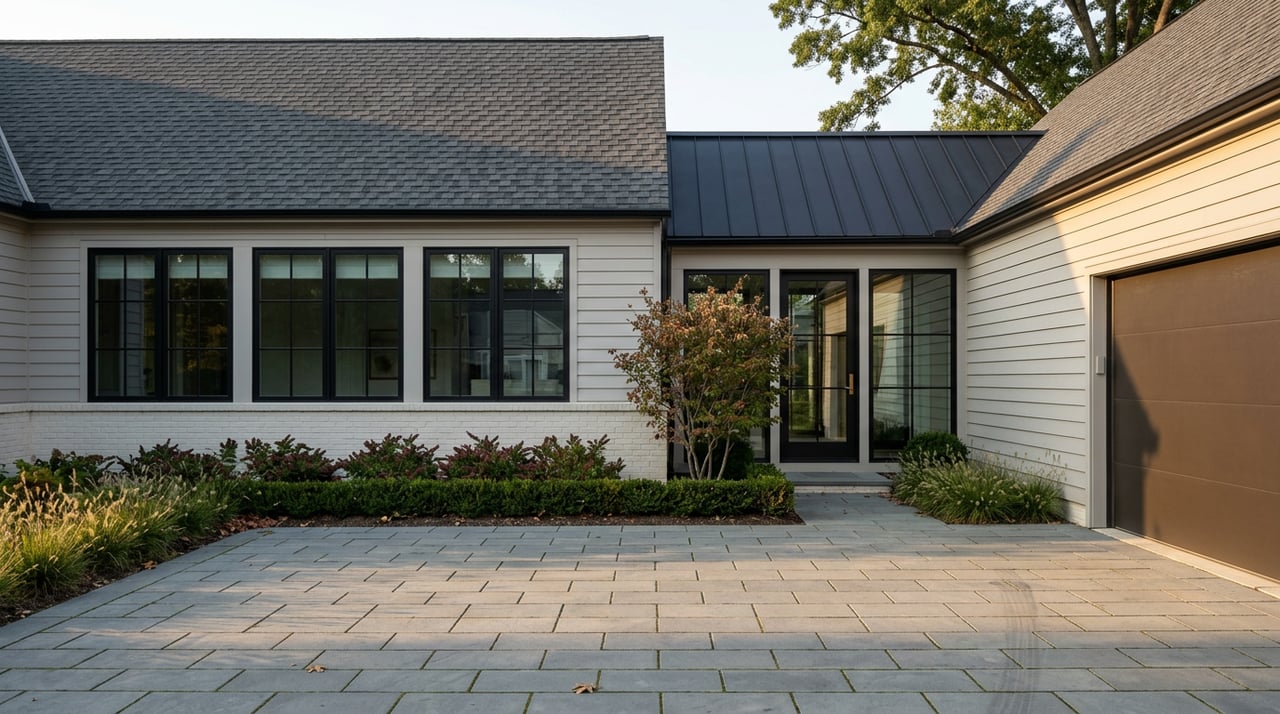
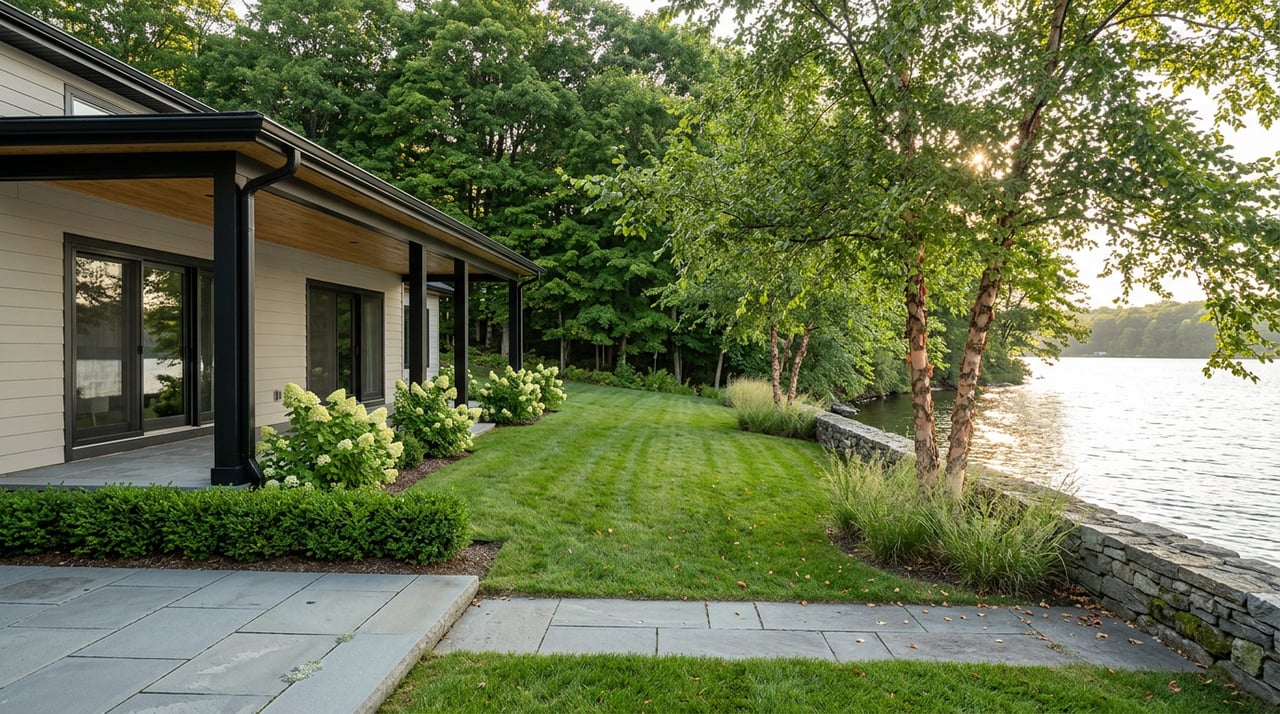
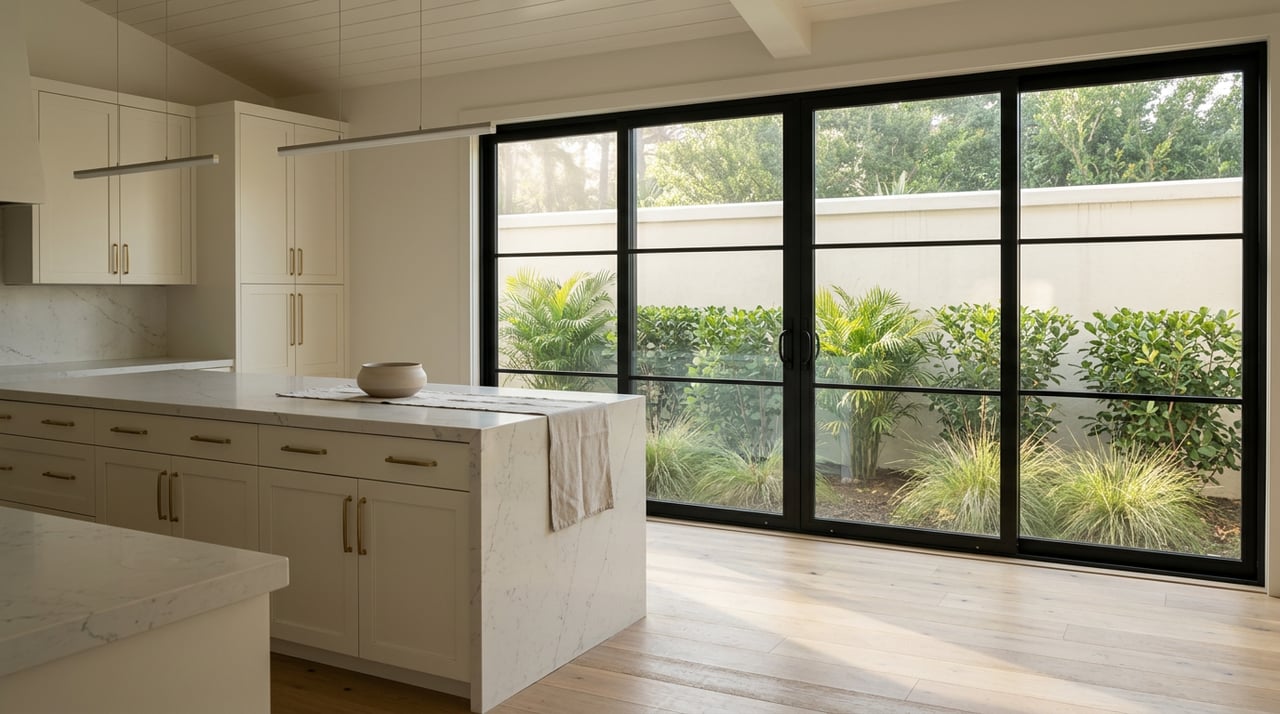
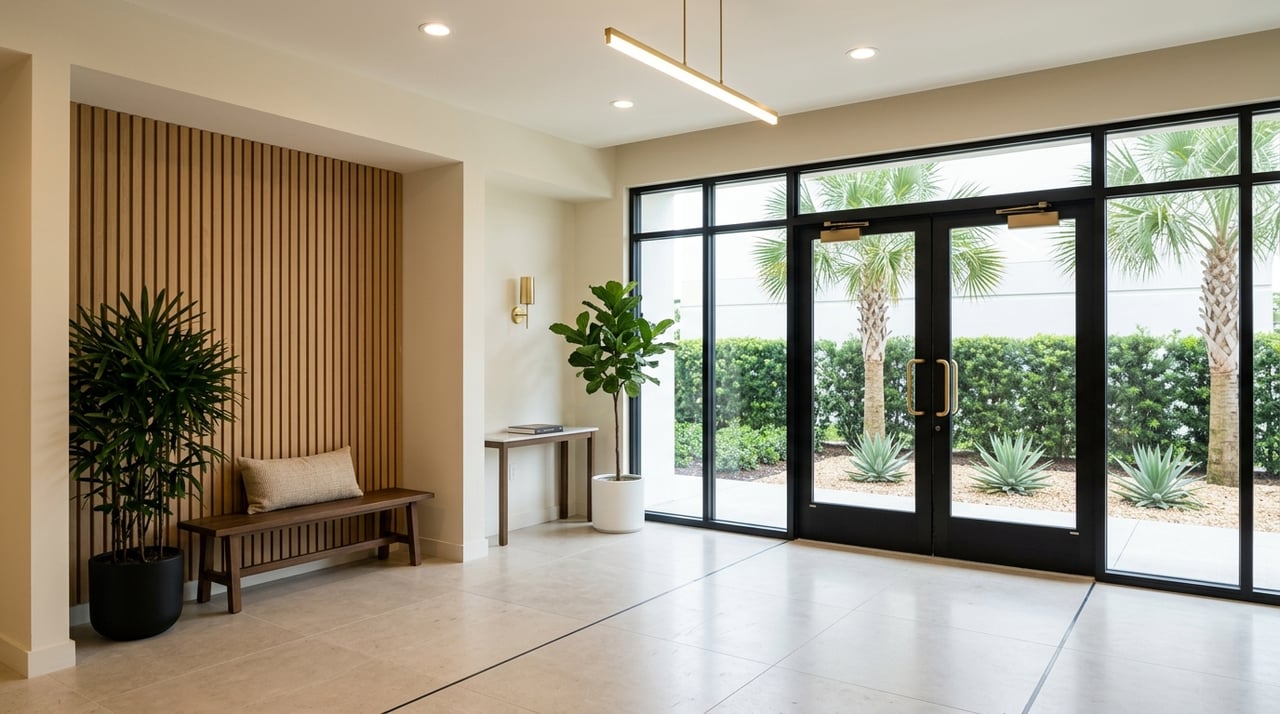
This is usually the best time to complete the visible prep work that shapes buyer first impressions. Focus on repairs, deep cleaning, decluttering, and staging so the property is camera-ready.
If you are using professional marketing, this is also the right window to schedule photography and any virtual tour content. A well-prepared property is easier to launch on time and can show more consistently once it hits the market.
For Naples sellers, this step is especially important because many buyers are comparing multiple homes online before they ever schedule a showing. Clean visuals and polished presentation can help your condo or villa stand out.
As the launch date gets closer, the goal is to finalize everything so your listing can go live without friction. That includes completing the photo set, preparing MLS remarks, confirming showing instructions, and reviewing disclosures.
For condos, your required association documents should already be assembled or close to complete. For HOA villas, the disclosure summary should be ready before a sale contract is executed.
This is also the time to double-check practical details. If your association has application procedures, approval steps, or move-in and move-out rules, it helps to know them early so you can answer buyer questions clearly.
Older coastal condominium buildings often need more lead time. Florida’s milestone inspection law applies to buildings that are three habitable stories or more once they reach 30 years of age, with repeat inspections every 10 years after that.
In some coastal situations, the local enforcement agency can require inspections at 25 years instead of 30. For Naples sellers, that can mean more documents to gather and more buyer questions to address before a deal feels fully informed.
A condo resale packet in Florida can be extensive. If key documents are missing or outdated, it can create avoidable stress during the contract period.
Because Florida law gives buyers specific document rights in condo resales, it is best to treat document gathering as part of your listing prep, not as something to handle after you accept an offer. That approach helps protect your timeline and keeps the transaction moving.
Disclosure items can also slow down your sale if they are not prepared in advance. Florida’s flood disclosure must be delivered at or before contract execution, and pre-1978 properties may need lead-based paint disclosures and records before the buyer signs.
If these items are organized ahead of time, you reduce the chance of delays when an interested buyer is ready to act.
Once you accept an offer, the pace often picks up. That said, association-related items can still control the timing of your closing.
If the property is in a condo or HOA community, the estoppel should be requested right away if it has not already been handled within the needed timing window. Since the association has 10 business days to issue it and the certificate has a limited effective period, waiting too long can create a closing headache.
It is also important to confirm whether the association requires board approval or has a right of first refusal. Those steps can add time, so they should be identified early in the contract period.
For condo resales, Florida law says the buyer is entitled, at the seller’s expense, to current copies of the governing documents and financial materials. The contract must acknowledge that the buyer received the required documents in time.
For HOA properties, the disclosure summary must be provided before contract execution. If it is not, the buyer may have cancellation rights after receiving it or before closing, whichever comes first.
Even after inspections, disclosures, and association items are complete, the closing itself still has a few Florida-specific steps.
The Florida Department of Revenue says deeds and other documents that transfer an interest in Florida real property are subject to documentary stamp tax. In Collier County, the rate is 70 cents per $100 of consideration.
Collier County also requires a Real Property Transfer Information Sheet to accompany deeds and other transfer documents when they are recorded. These are closing-stage items, but they are part of the full timeline sellers should understand from the start.
If you want the cleanest path to market, think of your listing timeline in two tracks: presentation and paperwork. Presentation covers repairs, cleaning, staging, photography, and launch strategy. Paperwork covers association documents, estoppel timing, and required disclosures.
When both tracks move together, your listing is more likely to launch on schedule and move smoothly once a buyer steps forward. That is especially important in Naples, where condos and villas often come with details that need attention well before closing.
If you are thinking about selling, a well-built timeline can make the process feel far more manageable. For tailored guidance on preparing your Naples condo or villa for market, request a free home valuation with Jessica Stencel.
Stay up to date on the latest real estate trends.